Ceramist
Lorene Cavagna
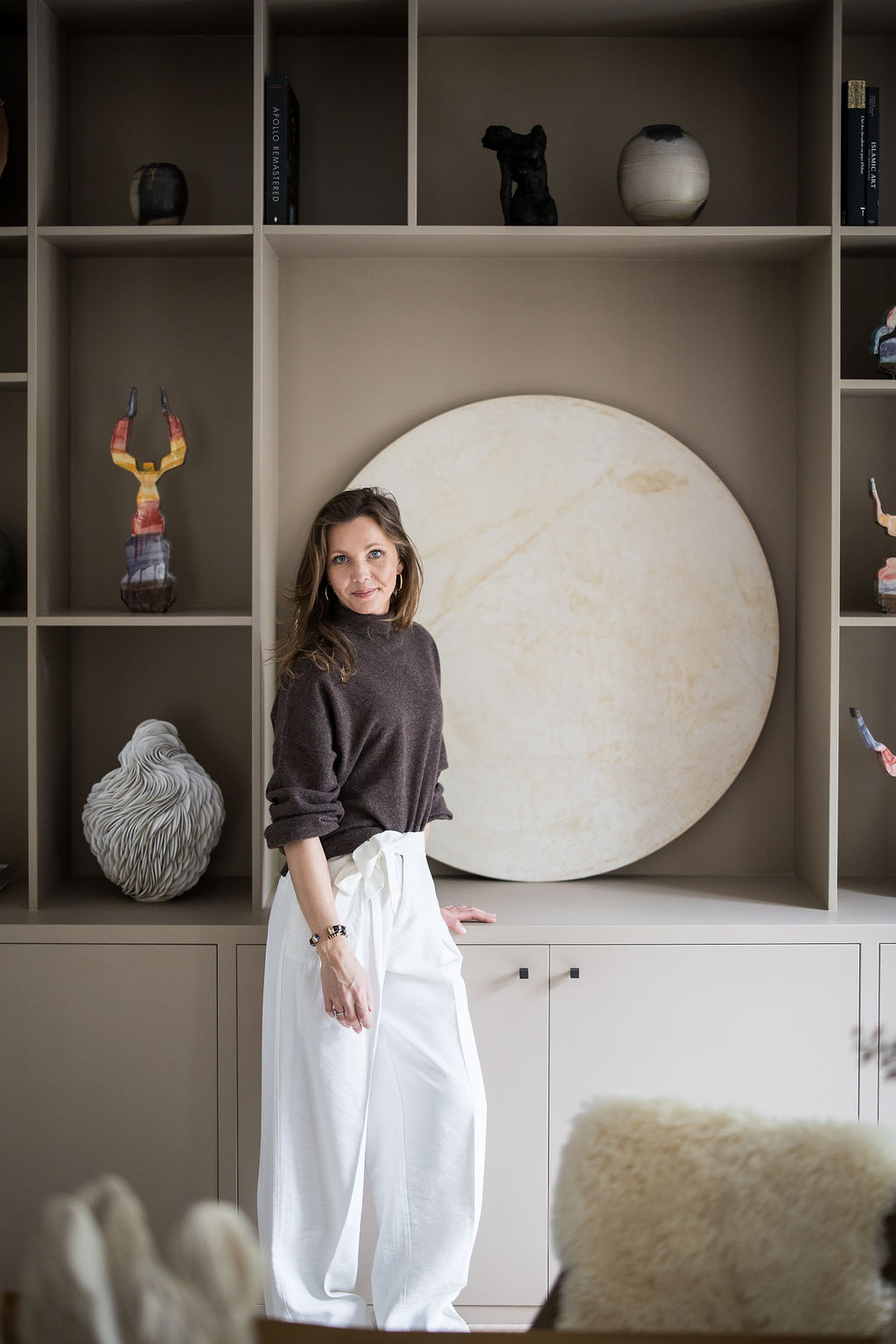
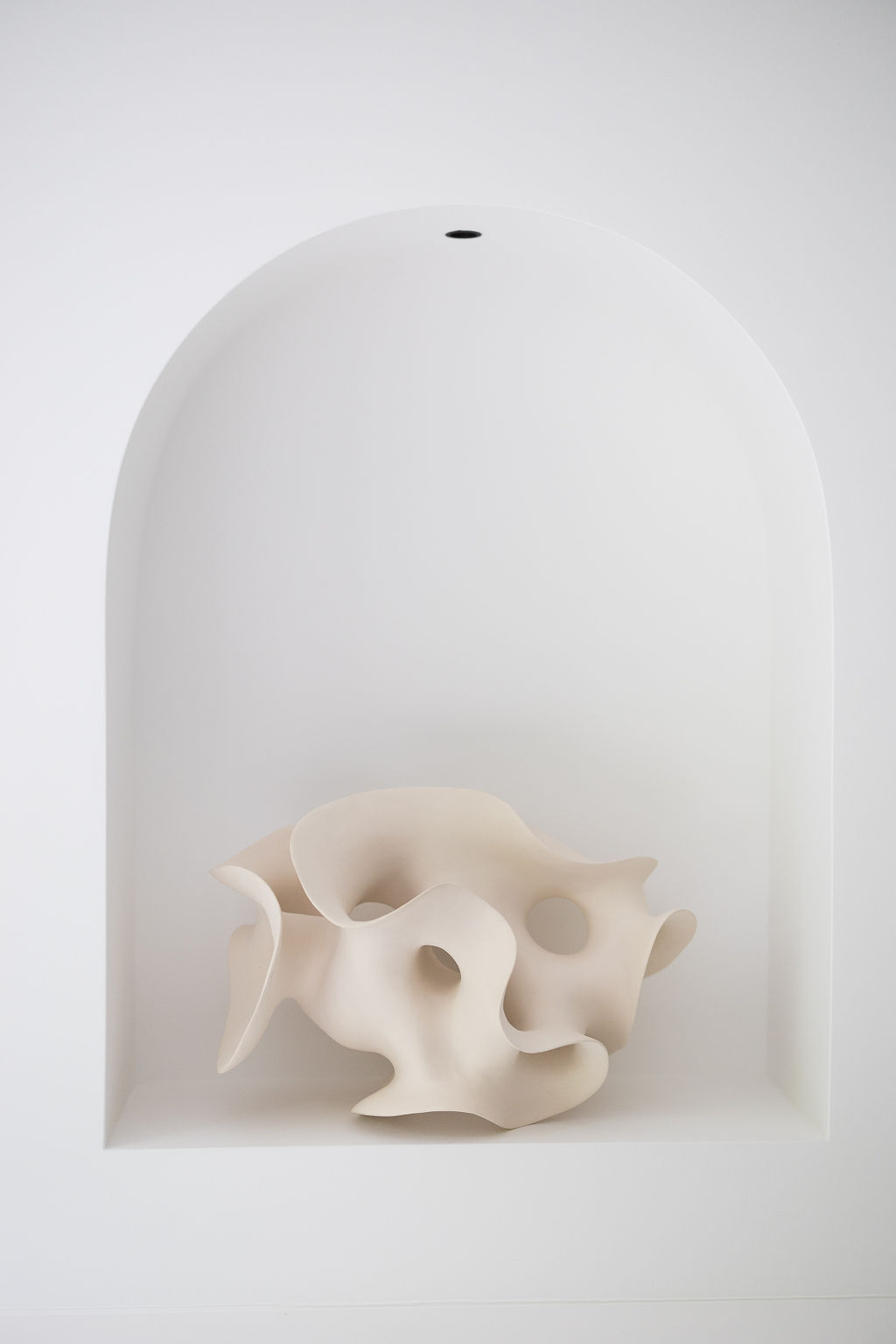
Lorène Cavagna is a French ceramic artistwhose work explores movement, repetition, and light through an extensiveresearch practice centered on glazes. Trained in London before returning toParis to establish her studio, she has developed a singular sculptural languageworking primarily with stoneware and porcelain.
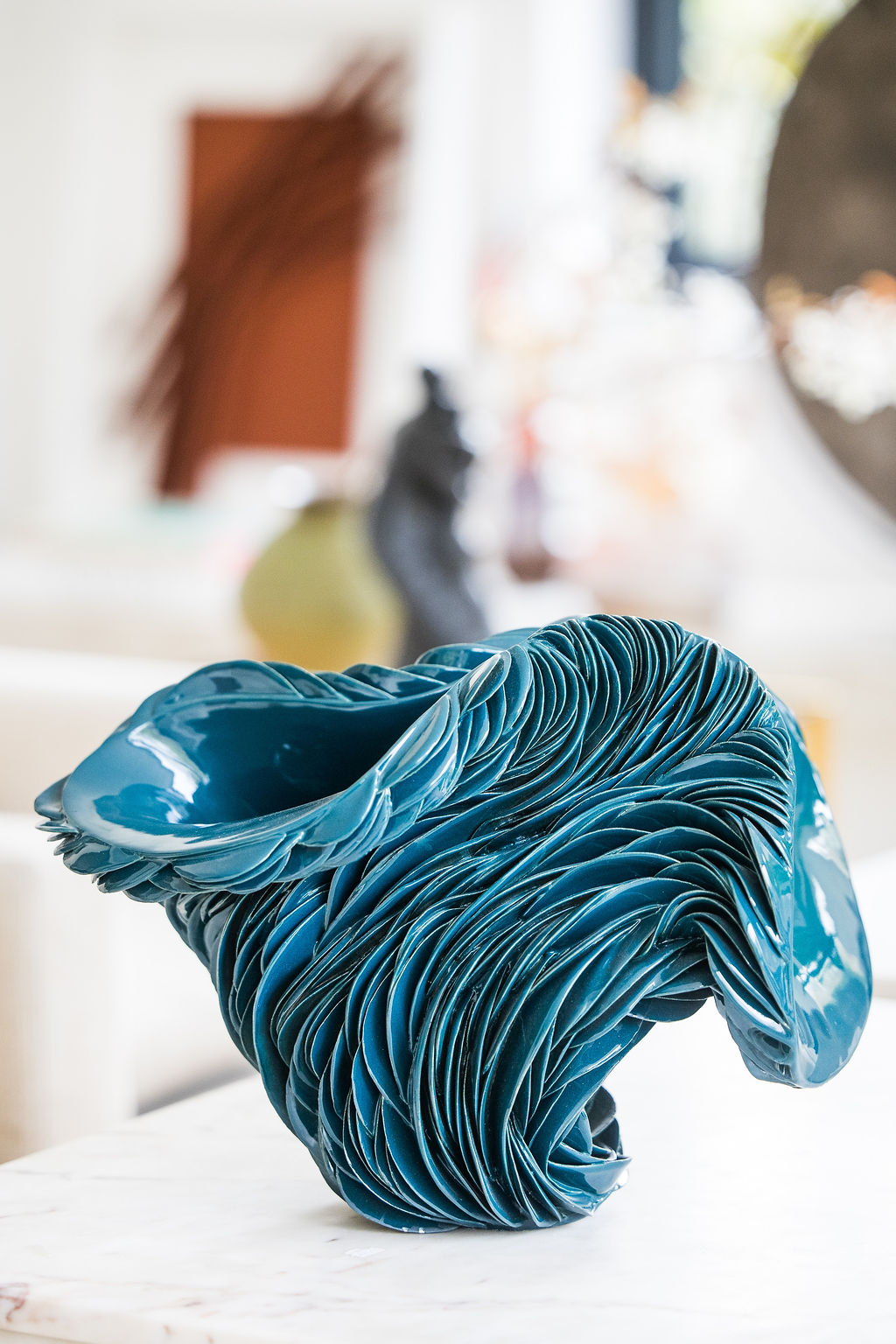
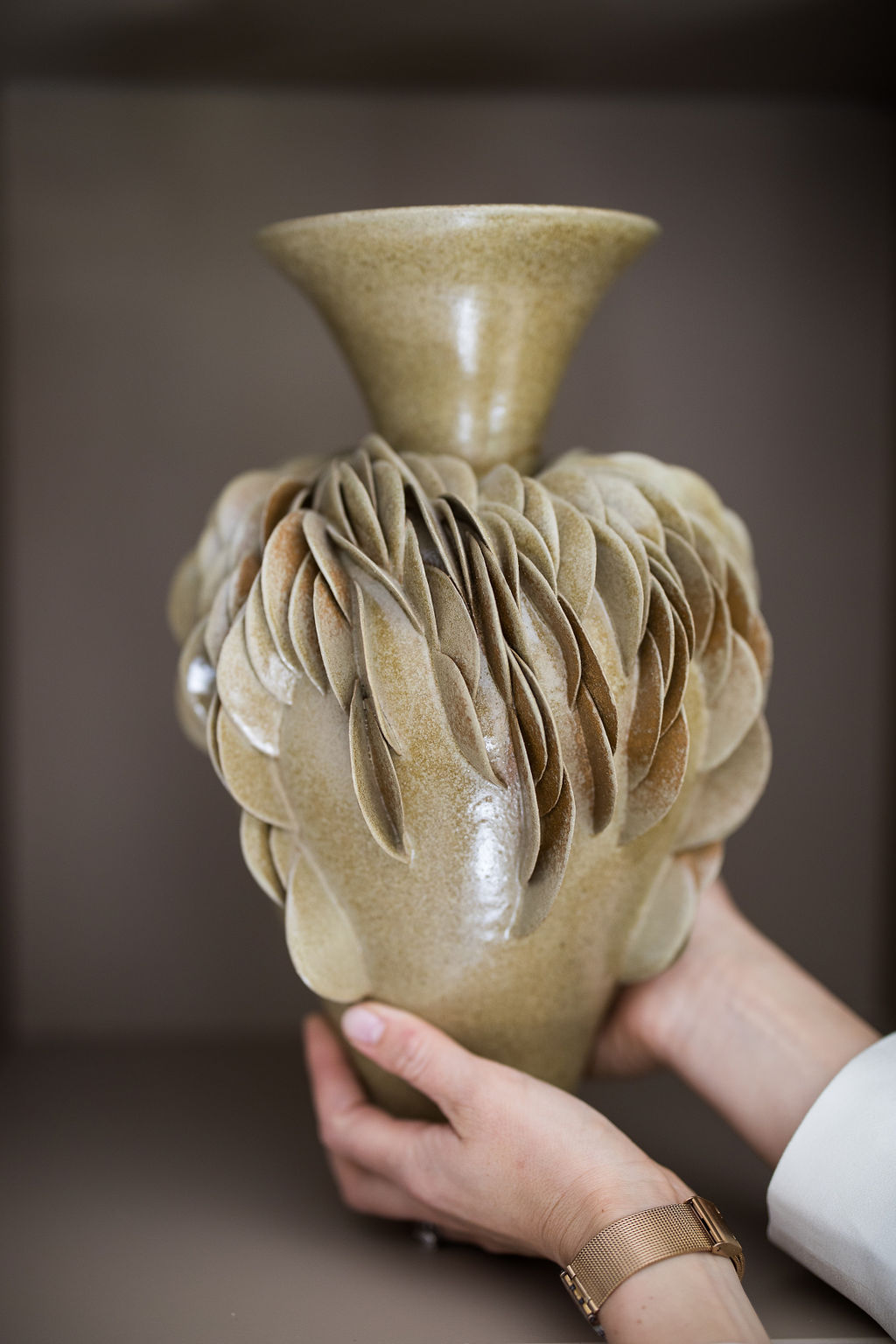
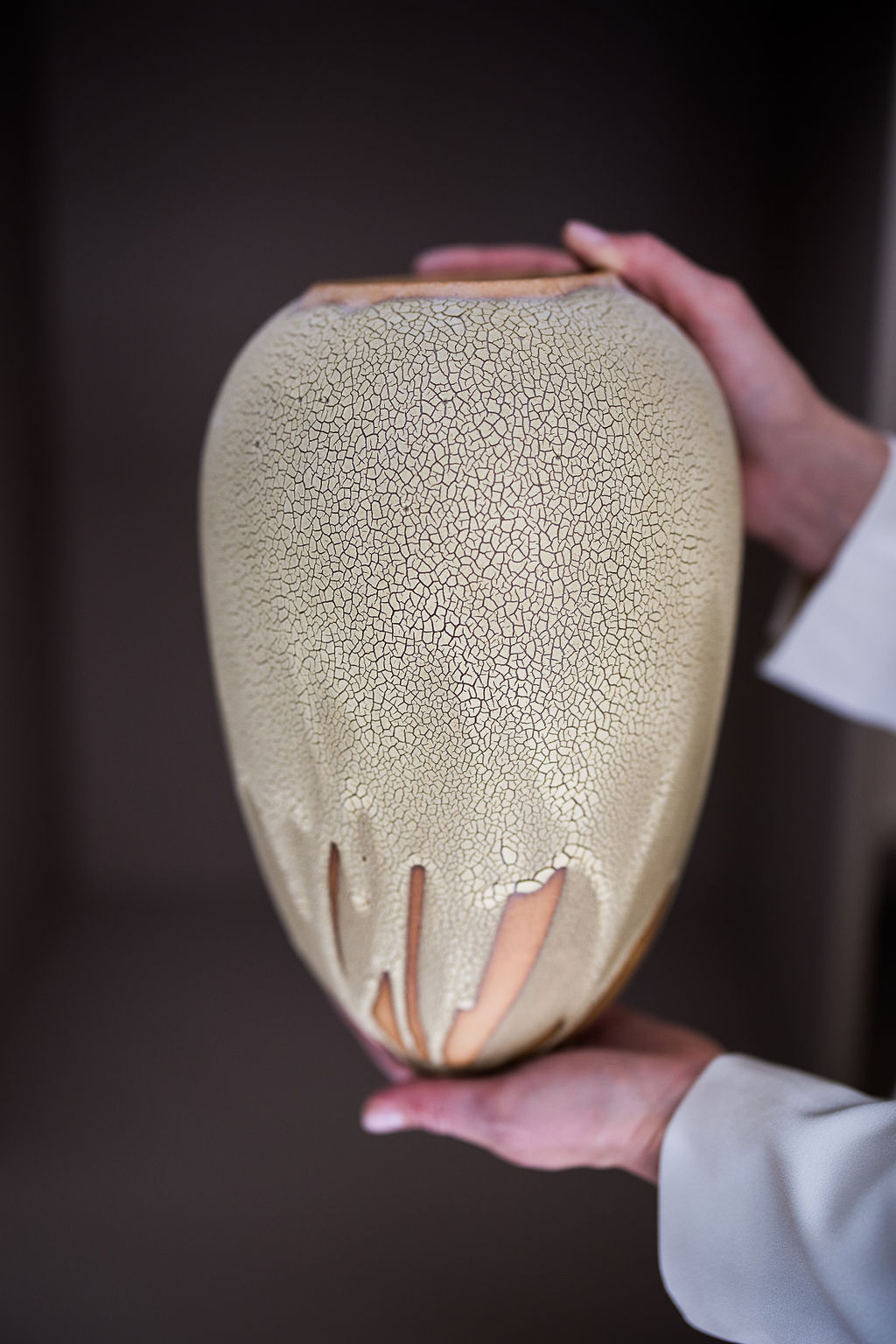
Fascinated by color, contrast, and luminous phenomena, Lorène Cavagnaapproaches glazes through an almost scientific process, developing endlesslynuanced palettes. Stoneware occupies a central role in her practice for itsability to resist deformation while maintaining remarkable delicacy. For theartist, clay becomes a surface of experimentation where material interacts withlight like painting in volume.
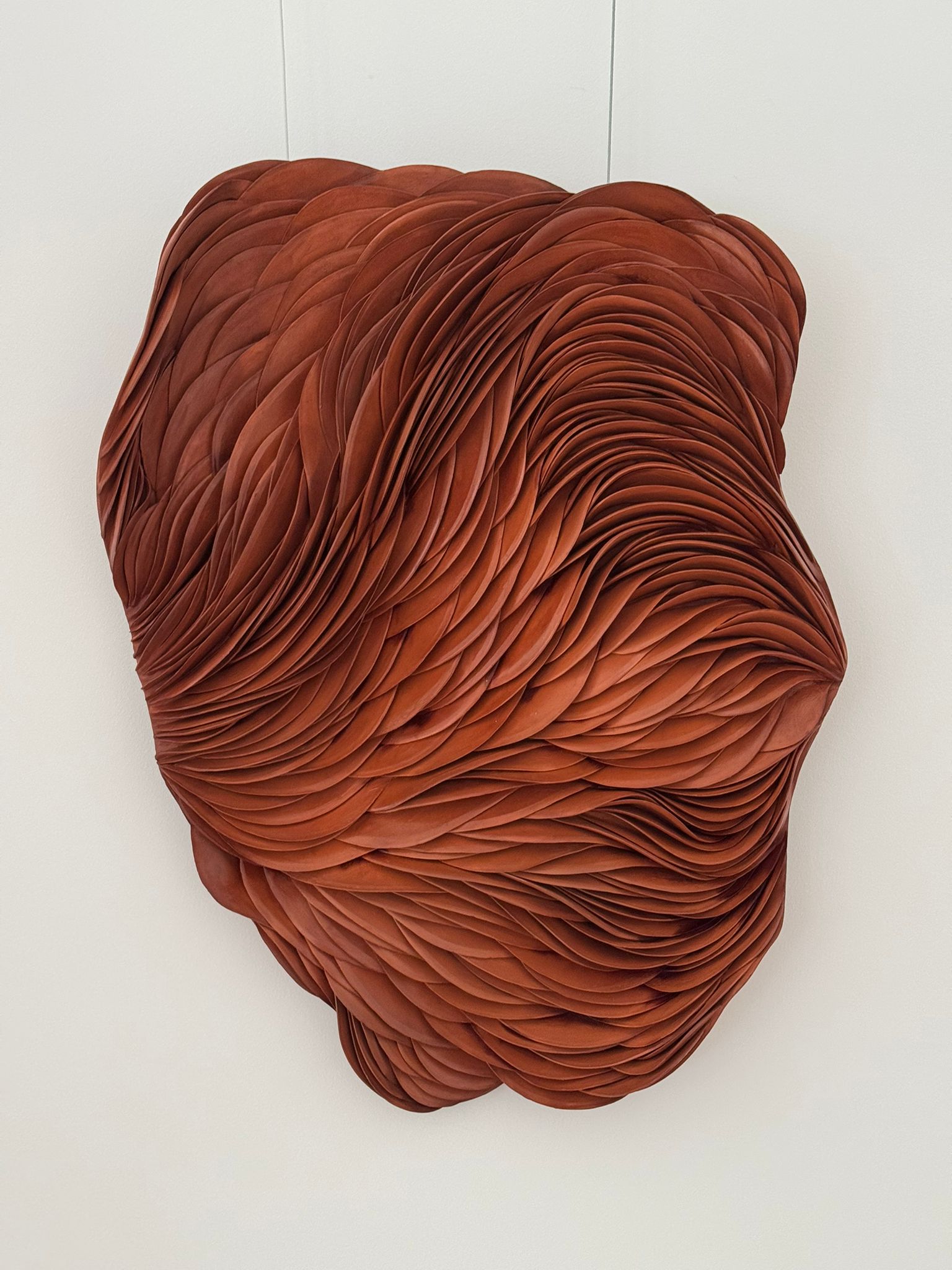
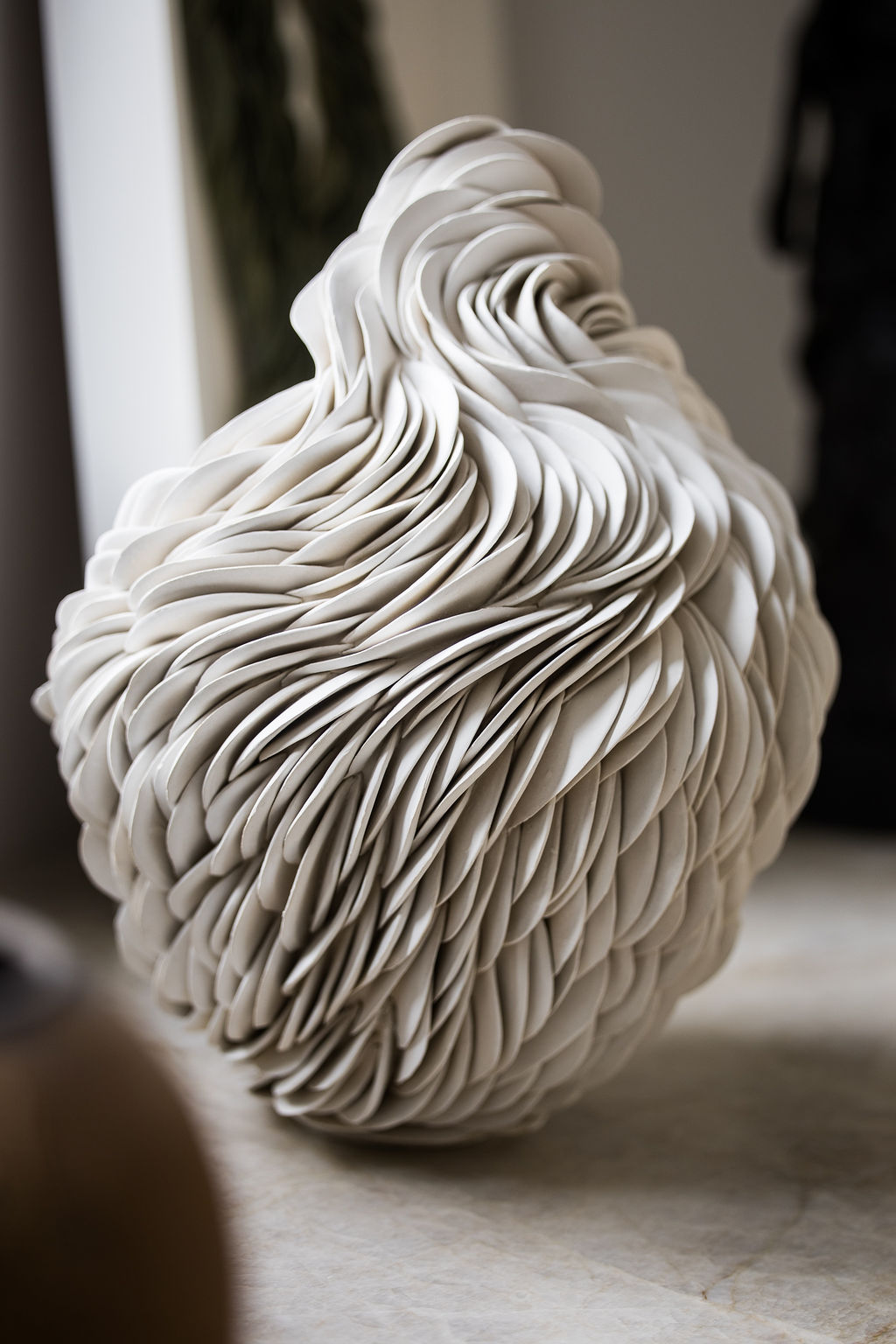
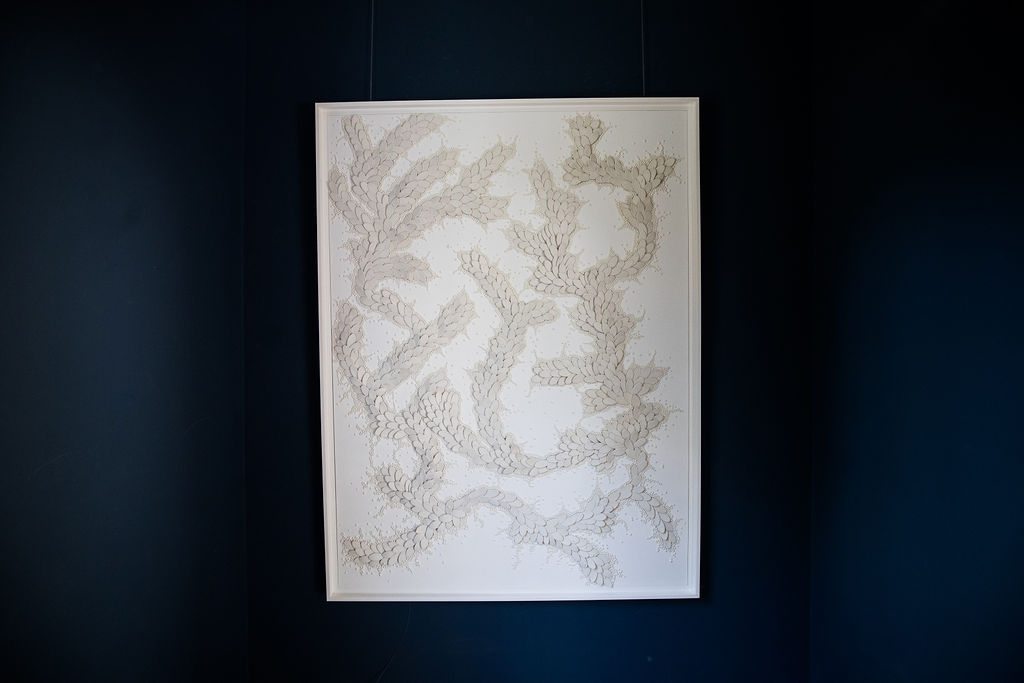
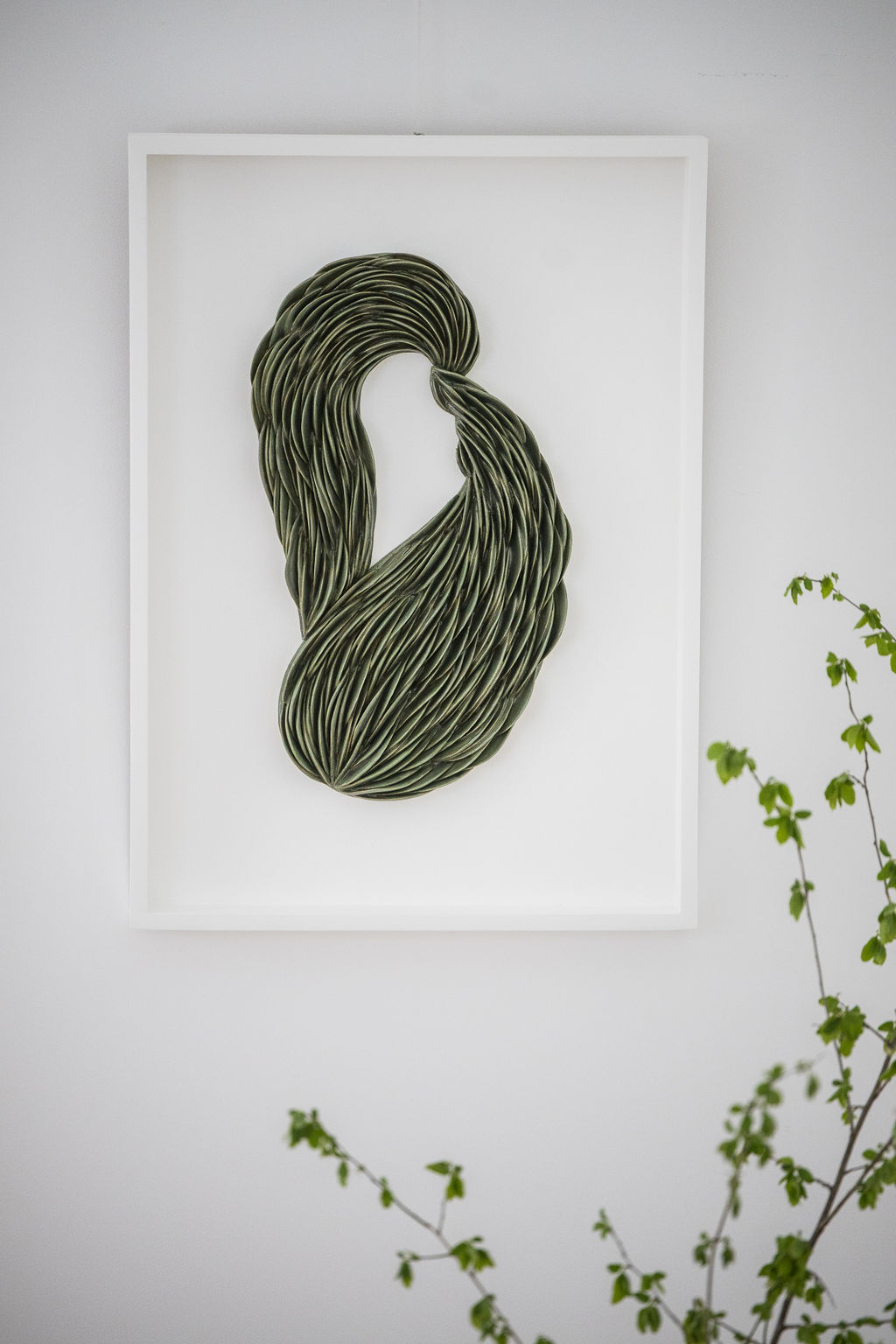
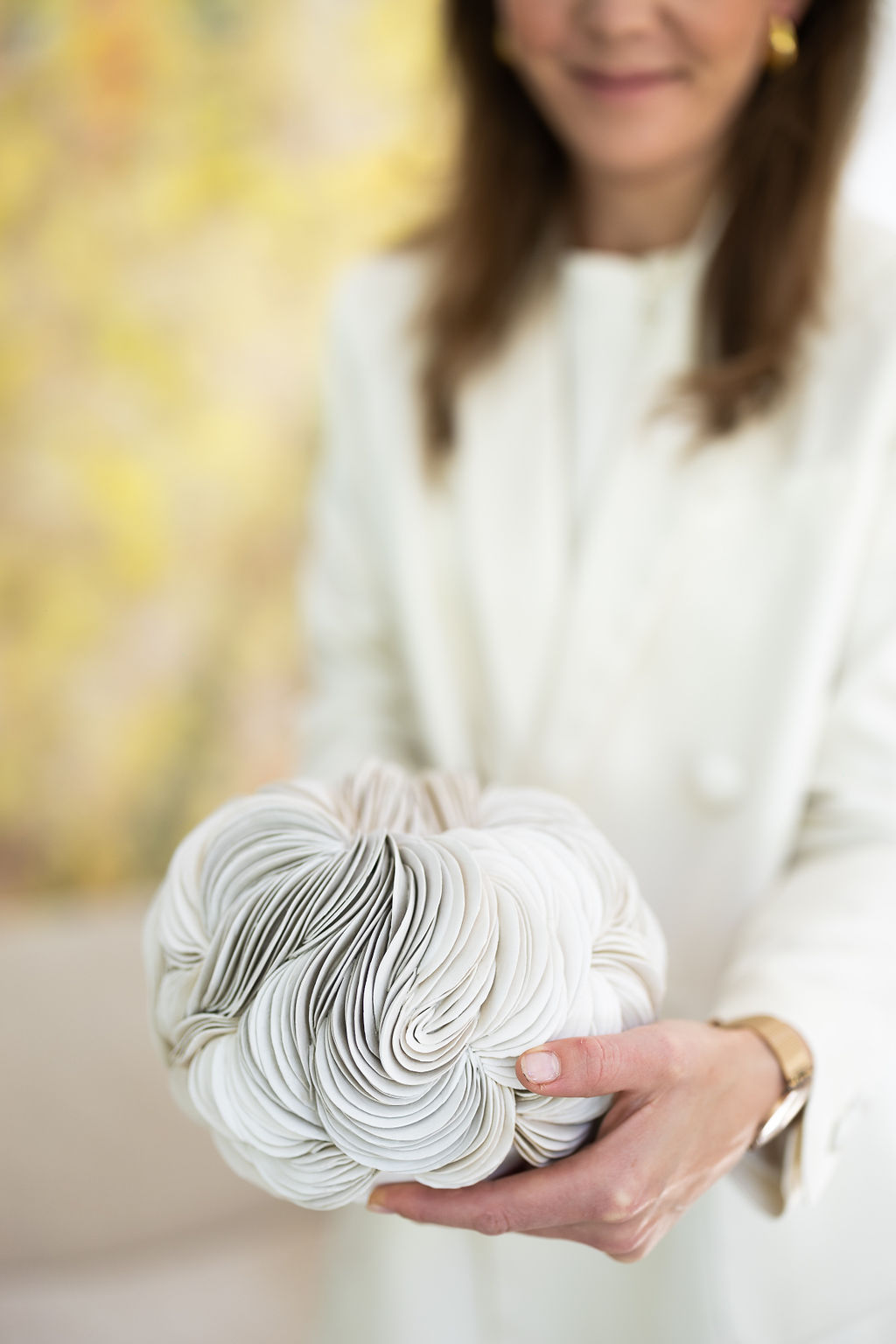
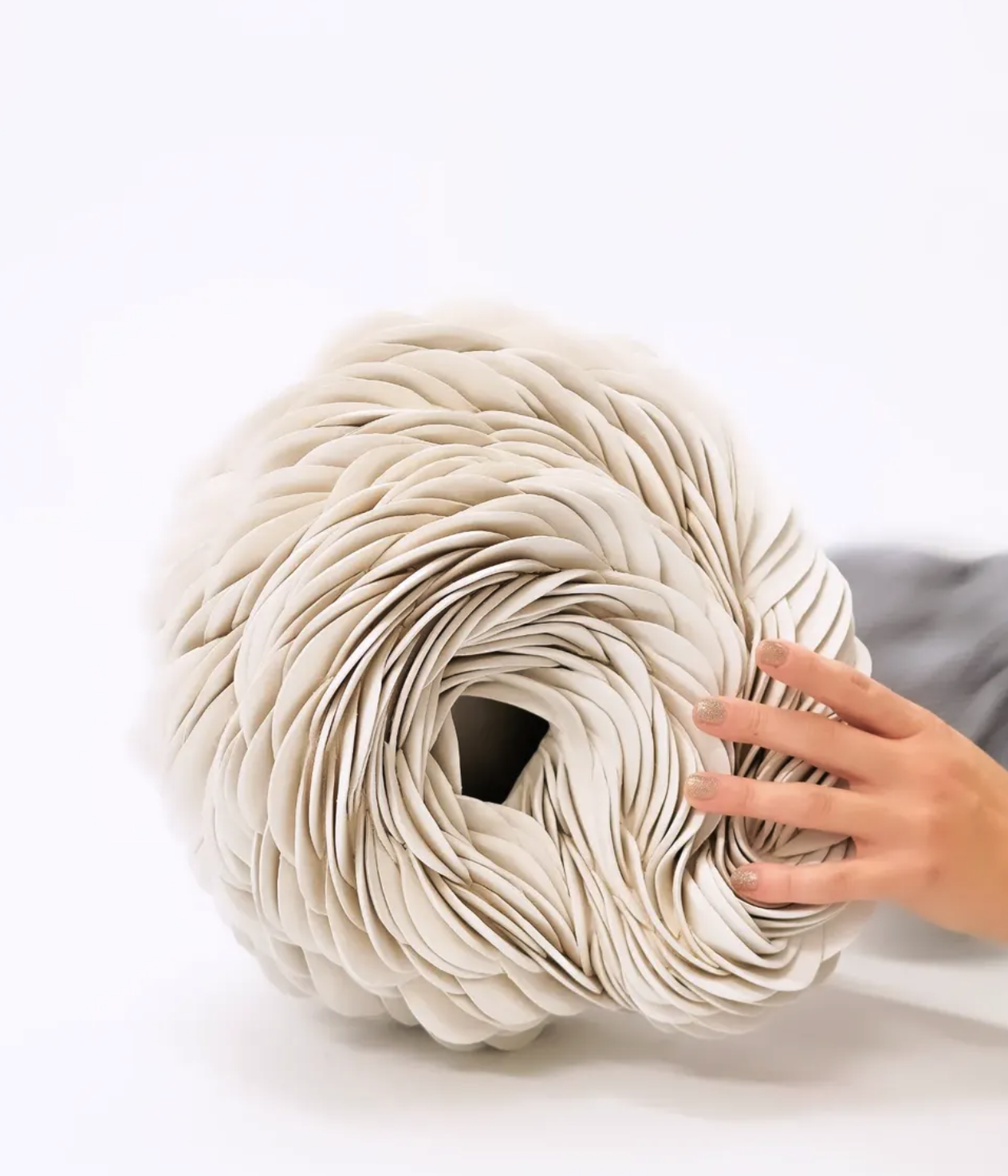
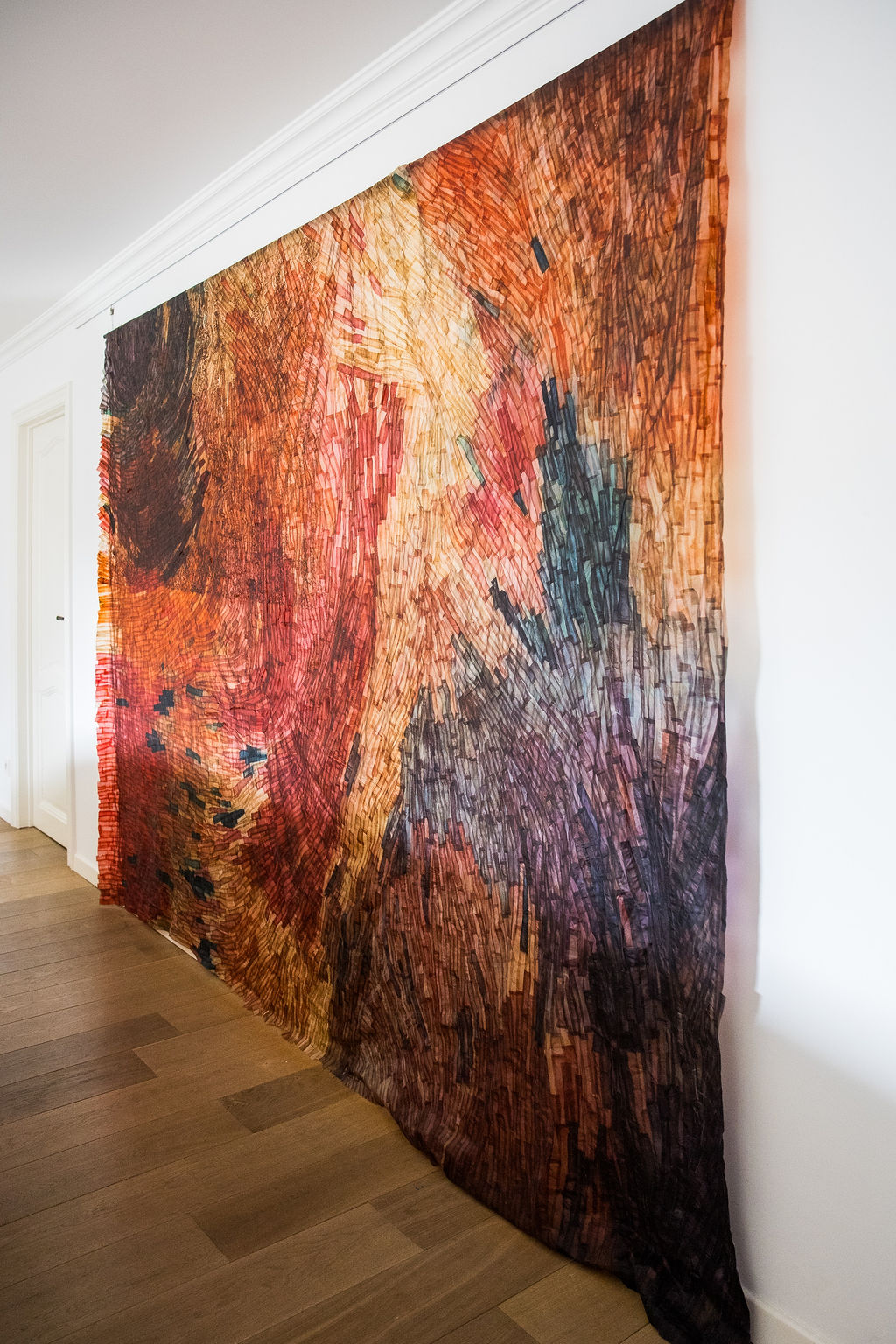
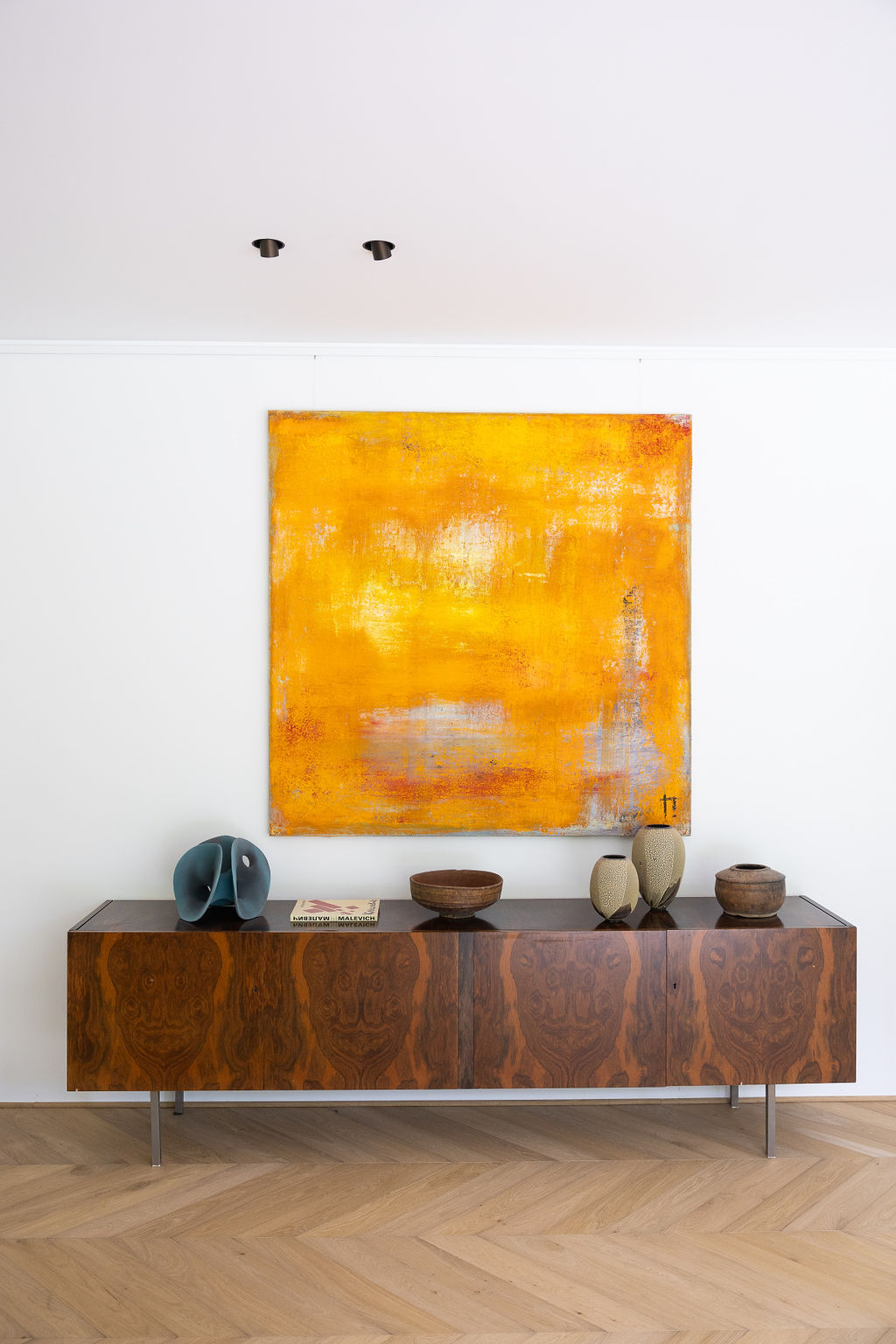
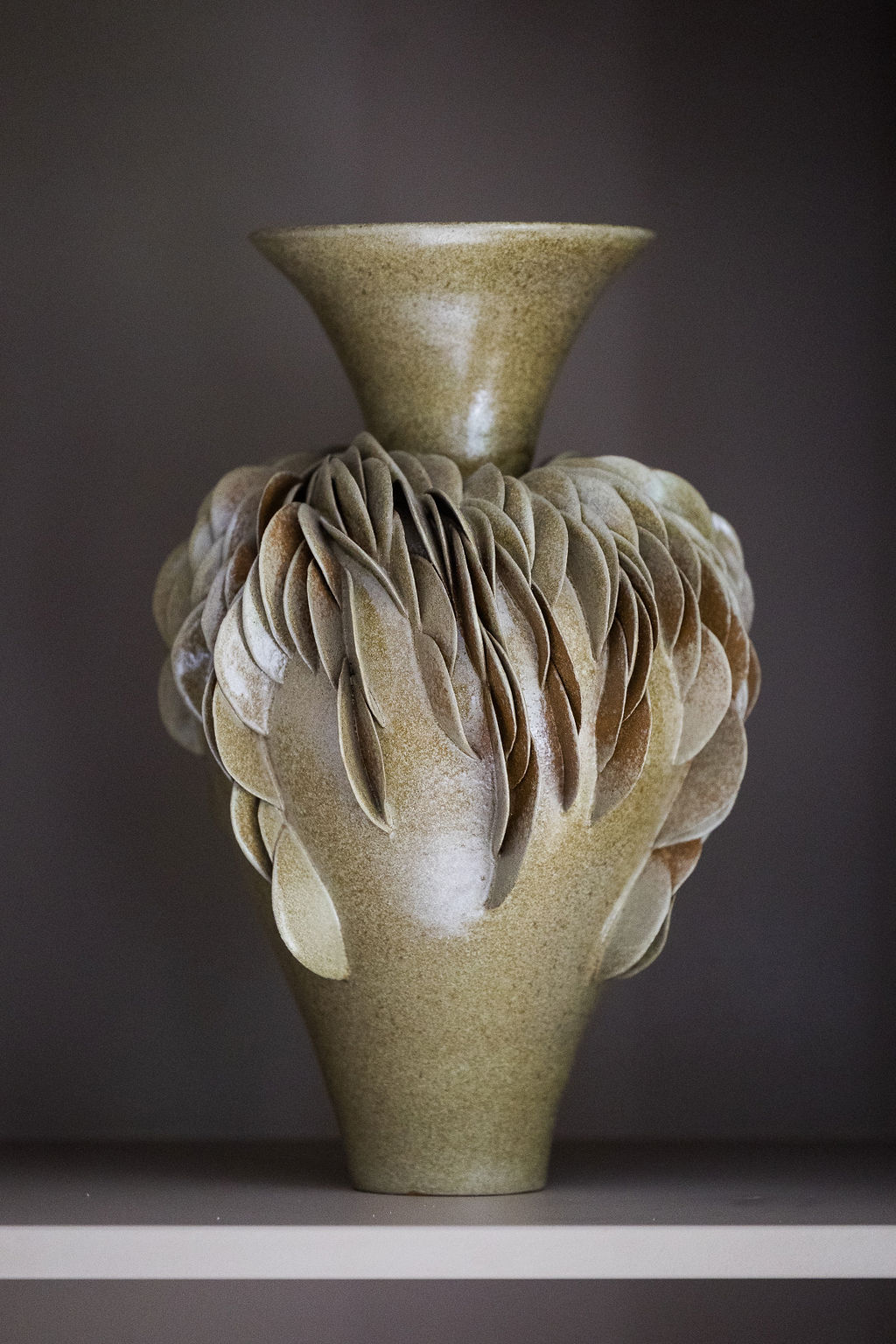
One of her signature techniques involves handcrafting thousands of petals usingslab-building methods. Repeated and assembled into three-dimensionalcompositions, these simple forms generate fluid and organic movement within aninherently static material. Her wall-mounted works evoke sculptural paintingsin which relief creates depth, vibration, and visual circulation.
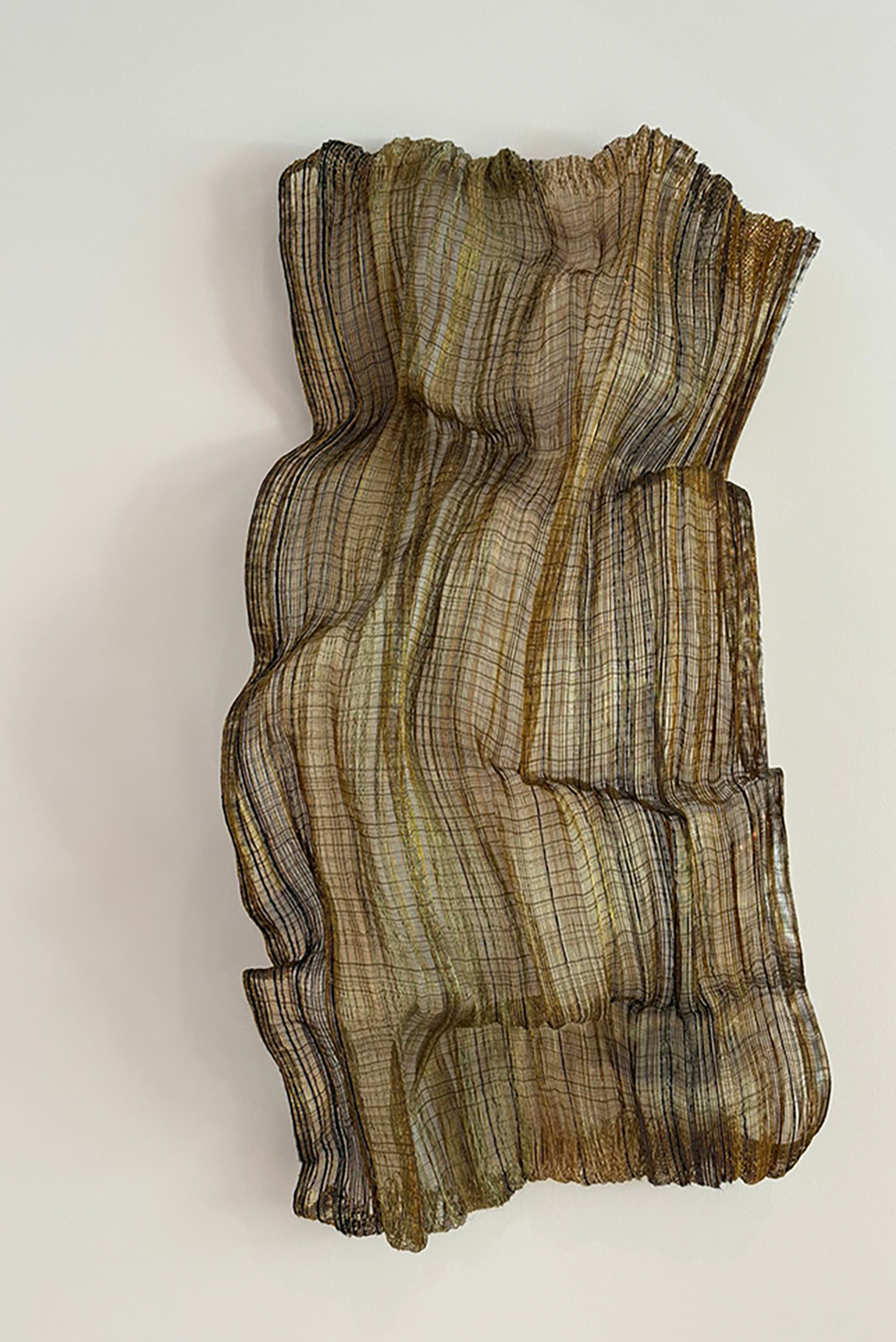
Lorène Cavagna also develops a contemporary approach to ceramic tiles andarchitectural surfaces. Some works take the form of free-standing clay panelsreminiscent of stained glass, where variations of color and transparencyproduce almost painterly effects. Her projects may be conceived independentlyor developed in collaboration with architects and designers in order tointegrate ceramics directly into spatial environments.
At the core of her practice lies her research into glazes, which she considersa language in itself. For several years, each firing has become an opportunityto experiment with new chemical reactions and surface combinations. By layeringmultiple glazes that interact with light, she creates rich and vibrant colorsin constant transformation. To date, Lorène Cavagna has developed a palette ofmore than 250 unique glazes.
Through their organic rhythms, visual lightness, and luminous interplay, LorèneCavagna’s works transform the spaces they inhabit and invite viewers into asensory experience where matter itself appears to remain in perpetual motion.